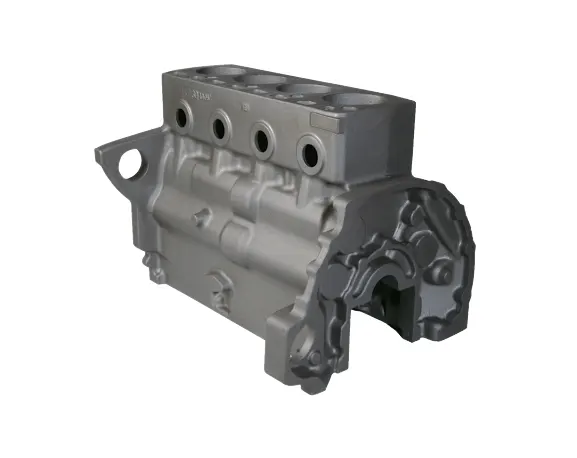
SG Casting, also known as spheroidal graphite iron or ductile iron casting, is a highly durable and versatile form of raw iron that is widely used in automotive, engineering, and heavy machinery industries. It provides unique strength, flexibility, and resistance to effects and fatigue, which makes it ideal for high-proof components. In high amounts of production, it is important to choose the right tool to maintain stability, accuracy, and efficiency during the casting process. As a leading SG casting manufacturer in India, Pooja Auto Industries ensures better quality, accurately engineered SG casting using advanced technology and modern machinery to meet global manufacturing standards.
When it comes to modern machining, most people think of steel as what defines strength – but the true backbone of precision engineering is grey cast iron. From lathes and milling machines to perforatorss and grinders, every powerful machine tool depends on a strong, stable cornerstone. This is where gray cast iron is matchless. Known for its superior vibration damping, rocklike stability, and wear resistance, it ensures accuracy and durability in machine tool structures.
As one of India's leading grey cast iron manufacturers, Pooja Auto Cast continues to provide precision-engineered castings that power the reliability and performance of today's machine tool industry.
What is Grey Cast Iron?
Grey cast iron is one of the most widely used materials in engineering and manufacturing, especially in machine tool manufacturing. It is an iron-carbon-silicon alloy known for its unique combination of strength, machinability, and vibration absorption. The name "grey" comes from the brown fracture surface that appears due to the presence of graphite fragments in its microscopic structure.
Main features and structure:
It contains 2.5 - 4% carbon, 1-3% silicon, and small amounts of manganese, sulfu,r and phosphorus.
The carbon exists as fragments of graphite rather than totally dissolved in the metal.
These dusts create minuscule gaps, which help absorb vibrations and reduce internal stresses.
Microstructure and its effect:
Fragments of graphite dispersed throughout the iron matrix give gray cast iron its characteristic properties.
They act as natural dampers, reducing vibration and noise during machining operations.
This composition also provides excellent wear resistance and lubrication, which increases the lifespan of machine components.
Common Grades and their Applications:
FG 200: Ideal for small to medium-sized machine parts requiring good strength and machinability.
FG 250: Provides high tensile force and is widely used for machine beds, columns, and gearboxes.
FG 300: Provides superior load carrying capacity and solidity, perfect for heavy-duty machine tool bases and industrial elements.
Why does gray cast iron dominate the machine tool industry?
In the world of fidelity engineering, gray cast iron reigns supreme over materials like steel, aluminum, ductile iron and with good reason. Its unique microstructure, frugality, and long-term performance make it the preferred choice. For machine tool manufacturers globally. Here's why it remains a top rival:
1. Excellent vibration-damping ability
The graphite parts in grey cast iron naturally soak up and dissipate vibrations during operation.
This results in higher machining accuracy and better show than steel or aluminum.
Example: Milling or grinding machines made of gray cast iron maintain integrity even under constant load or high-speed conditions.
Unlike steel, which transmits vibration, gray cast iron reduces chatter, improving both fecundity and wind-up quality.
2. Solid Stability
Grey cast iron showcases low internal strains, stopping warping or distortion during machining and long-term use.
This ensures the precise alignment of critical components, such as machine beds, columns, and slideways, over the years of operation.
In comparison, aluminum and ductile iron expand or deform under temperature variations, affecting performance and precision.
3. High-Pressure Strength
Gray cast iron offers uncommon pressurized strength, making it ideal for heavy-duty machine tool parts.
It endures massive static loads without deformation, ensuring rigidity in large machine structures.
Comparison Overview:
- Grey cast iron: High-pressure strength (~800-1000 MPa) with moderate tensile strength.
- Ductile Iron: Better tensile strength but less vibration damping.
- Steel: Excellent tensile strength, but poor moisture resistance and high cost.
- This balance of strength and moisture makes gray cast iron an ideal material for machine bases and housings.
4. Superior wear resistance
The graphite particles in gray cast iron act as a solid grease, lowering the friction between moving parts.
This self-greasing property longs the tool's lifetime and reduces maintenance costs.
When compared to steel, which often requires additional surface treatment, gray cast iron naturally offers consistent wear performance.
5. Cost-effective and easy to cast
Grey cast iron has excellent fluidity during casting, allowing complex shapes to be produced with minimal flaws.
It is easier to machine, reducing tool wear and manufacturing time – an advantage compared to steel and ductile iron.
The low melting temperature means energy-efficient production, making it an economical choice for large-scale machine tool manufacturing.
These advantages establish Pooja Auto Cast, one of India's trusted grey cast iron manufacturers, as the preferred supplier for precision-engineered castings used in lathes, milling machines, and CNC bases.
Grey Cast Iron vs. Other Casting Materials
When it comes to machine tool manufacturing, gray cast iron continues to outperform alternatives such as ductile iron, cast steel, and aluminum in terms of performance, cost, and reliability. Here's how it looks different:
Vibration Damping
Grey cast iron has better vibration absorption due to the graphite layer structure. While steel and aluminum relay vibrations and reduce accuracy. Grey cast iron ensures smoother, firmer machining working.
Mechanization
It is easier to machine than ductile iron or cast steel, output in less tool wear, faster production, and lower operating costs. This makes it ideal for machine tool parts such as beds, columns, and housings.
Cost Efficiency
Gray cast iron offers excellent castability and low production costs. Its fluidity during casting allows complex shapes to be produced with minimal defects, unlike steel, which requires expensive melting and finishing processes.
Strength and Stability
Although ductile iron and cast steel have high tensile strengths, gray cast iron offers exceptional compressive strength and dimensional stability, which are more important for heavy-duty, vibration-prone applications such as machine tool structures.
Wear Resistance
The graphite particles in gray cast iron act as a natural lubricant, increasing wear resistance and reducing the need for additional coatings or treatments – an edge over aluminum and steel.
Environmental and Commercial Benefits of Grey Cast Iron
Recyclable Stuff
Grey cast iron is 100% recyclable, making it an ecologically liable stuff. Old or exhausted parts can be liquid down and reprocessed without losing quality, helping industries reduce waste.
Energy efficiency
Its low melting temperature requires less energy during casting, reducing overall carbon footprint and production costs – an advantage over stuff like steel or aluminum that demand higher furnace conditions.
Longevity and cost savings
The durability and wear resistance of grey cast iron vital reduces the need for haunt replacement. This ensures long-term savings for makers and industries dependent on powerful machinery.
Quality Standards Followed By Leading Grey Cast Iron Manufacturers
Leading grey cast iron manufacturers adhere to strict quality standards to ensure reliability, endurance, and precision in machine tool parts. Some of the most recognized standards include:
ISO standard: Defines global requirements for material composition, mechanical properties, and test methods for gray cast iron.
ASTM standards: Provide guidelines for chemical arrangement, tensile and compressive strength, and microstructural requirements.
Indian Standards (IS): Ensure that gray cast iron castings meet local industrial norms for machine tool applications.
How Pooja Auto Cast ensures quality:
Modern Foundry Tools: Advanced furnaces and molding technologies ensure defect-free casting.
Chemical and microstructural testing: accurate verification of alloy composition and graphite distribution.
Undestroyed testing: Detects hidden flaws to guarantee structural integrity.
Precision Machining Facilities: CNC machines and finishing processes provide high-dimensional accuracy for machine tool components.
Why Choose Pooja Auto Cast for Grey Cast Iron Components
As one of India's leading grey cast iron manufacturers, Pooja Auto Cast offers unmatched expertise, reliability, and quality for machine tool castings. The main reasons for choosing them include:
Over 30+ Years of Expertise: Decades of experience in casting and machining precision gray cast iron components.
Expertise in Machine Tool Gray Iron Castings: Deep understanding of the requirements of lathes, milling machines, grinders, and CNC machines.
Modern Framework: fitted out with CNC machining and robotic molding lines for consistent, high-quality production.
Trusted by top machine tool OEMs: Supplying fidelity castings to major OEMs in India and abroad.
Dedication to quality and service: timely delivery, usage designs, and bond to international typical make sure customer fulfillment.
Conclusion
Grey cast iron remains the material of choice for machine tool manufacturers due to its unmatched vibration damping, rocklike stability, wear resistance, and viability. With its proven endurance and performance, it ensures precision and longevity in every machine component. Trusted grey cast iron manufacturers like Pooja Auto Cast combine advanced technology, strict quality typical, and decades of expertise to provide reliable, powerful castings for the modern machine tool industry.